

Masla (in Irish: másá) is an affront, an insult. It can also be a strain of life. Farah Khan’s attempt to revive masala cinema in Main Hoon Na and Om Shanti Om is flawed. It seeks to impose one perspective on the masala tradition and thus misses its variegation. A Manmohan Desai film is radically different from a Yash Chopra or Nasir Hussein one.
Definition
Masla is an Urdu word which carries the meaning of a mess, predicament and hot water. It is very similar in meaning to the English words Botheration, Box, Complication, Crunch, Dilemma and Disputed Point. It is also quite close to the Arabic word Maslal and Hebrew word Mashal which mean Consolation, Comfort and Peace. The masla is also used to describe a person who is blackguarded or whose reputation is besmirched. To heap insults on someone is to masla him or her. To affront a person is to masla him or her, masla cainte o dhuine, masla sciolladh teanga.
Origin
The Irish word masla is derived from the Scottish Gaelic masladh, meaning “insult, opprobrium, disgrace.” In modern Irish it is used to denote any insult or blackguarding. It is the most common family name in The Philippines and occurs as a first name in 21 countries and territories around the world. The surname Masla is also found in other languages such as Arabic, Hindi and Marathi. As a given name it is more popular in male than female.
Examples
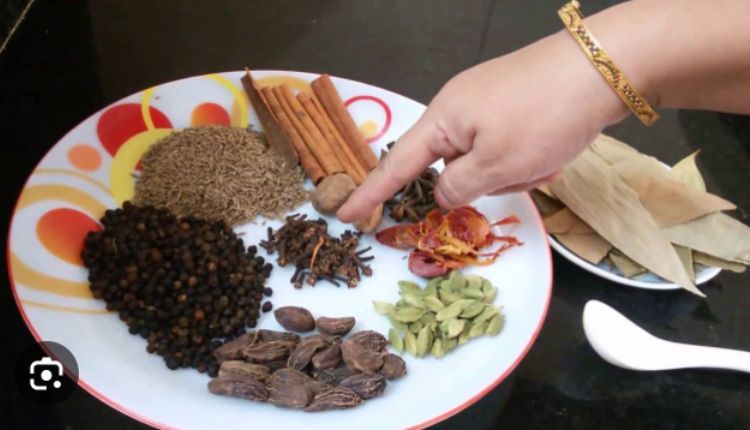
Masala is a popular Indian ingredient and flavoring that can be added to a variety of dishes. It can be used in both sweet and savory recipes, including meat dishes. Masala is often made with a combination of spices, and it can be combined with vegetables, herbs, and/or fruits. It is also commonly served as a dip with bread or crackers. The examples in this article are from corpora and sources on the web. Any opinions in these examples do not represent the opinion of Merriam-Webster or its editors. Send us feedback.
